

A comment that went viral
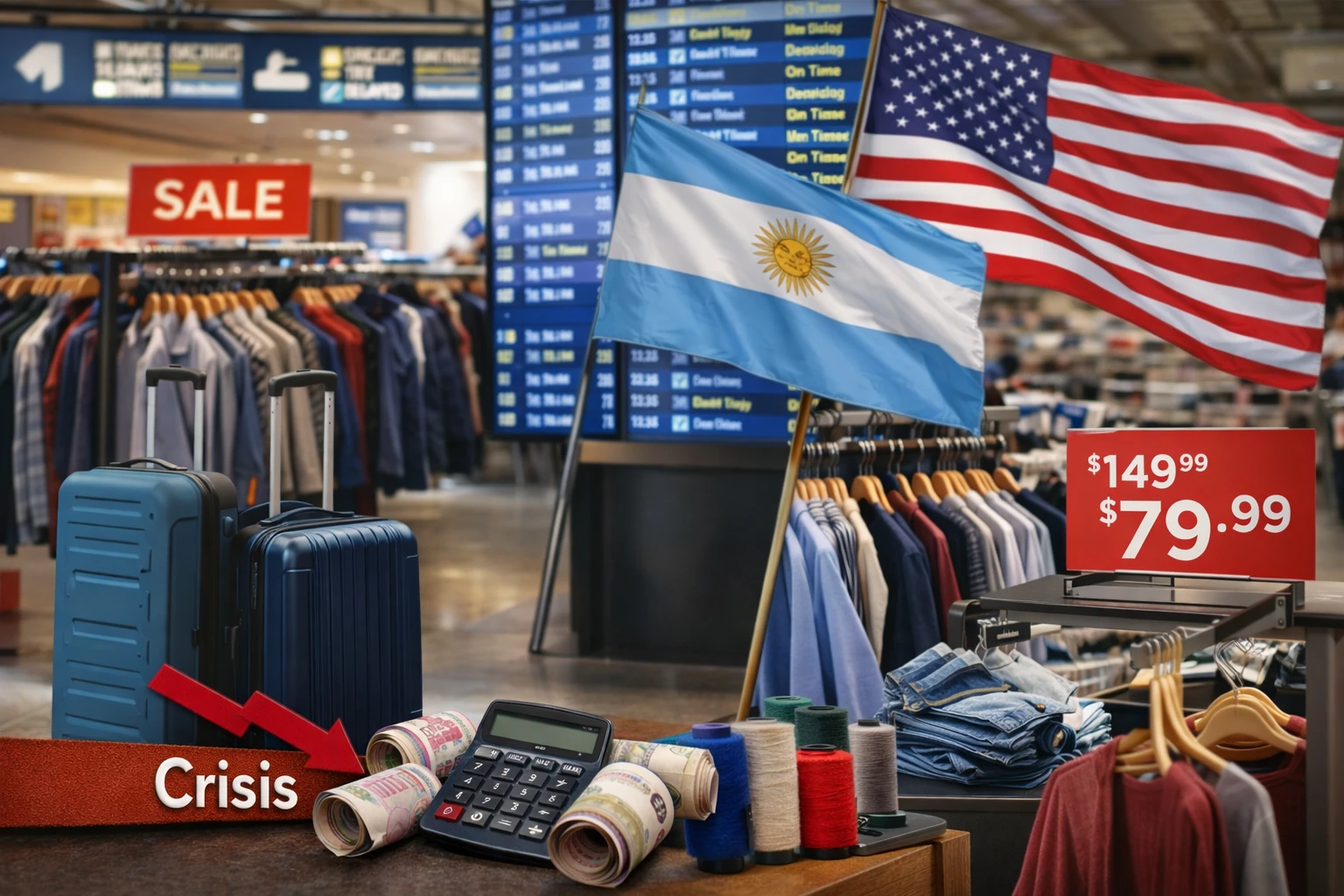
Argentina’s Economy Minister, Luis Caputo, sparked controversy after admitting that he often purchases clothing abroad due to lower prices. What initially sounded like an informal remark quickly spread across social media and news outlets.
In a country facing high inflation and declining purchasing power, many citizens perceived the comment as out of touch with everyday realities.
Rising costs at home
Clothing prices in Argentina have increased sharply in recent years. Private studies indicate that basic garments can cost between 40% and 70% more than in neighboring countries.
Several factors explain this gap:
- Heavy taxation
- High labor costs
- Import restrictions
- Limited competition
- Persistent inflation
As a result, travelers frequently find better deals abroad, especially in countries with more open markets.
Public and political backlash
Caputo’s statement drew criticism from opposition leaders, labor unions, and business associations. Many argued that the minister failed to show empathy toward families struggling to afford basic goods.
On social platforms, thousands of users expressed frustration, noting that most Argentines cannot travel overseas to shop at lower prices.
The controversy quickly became a symbol of broader social inequality.
Concerns from the textile sector
Argentina’s textile industry is under pressure due to falling consumption and rising production costs. Business leaders warned that such comments could weaken confidence in domestic manufacturing.
The sector employs more than 400,000 people nationwide, making it a key contributor to employment and regional development.
Industry representatives fear that increased imports without safeguards could threaten local companies and jobs.
Government response
Officials close to the minister clarified that his intention was to highlight structural problems in the economy. According to government sources, Caputo aimed to stress the need to reduce taxes and regulatory barriers.
The administration argues that greater competition and lower costs are essential to improving consumer access to affordable products.
Nevertheless, authorities acknowledged that the message was poorly framed.
A broader economic debate
The episode reopened discussions about Argentina’s economic model and trade policy. Supporters of liberalization believe that opening markets can reduce prices, while critics insist on protecting domestic production.
The controversy over clothing prices reflects a deeper challenge: balancing competitiveness, employment, and social stability in an economy still recovering from years of instability.
For many citizens, the issue is no longer just about where officials shop, but about whether economic reforms will truly improve daily life.


Comments
💬 Log in to comment💬 Join the conversation and log in to comment.