

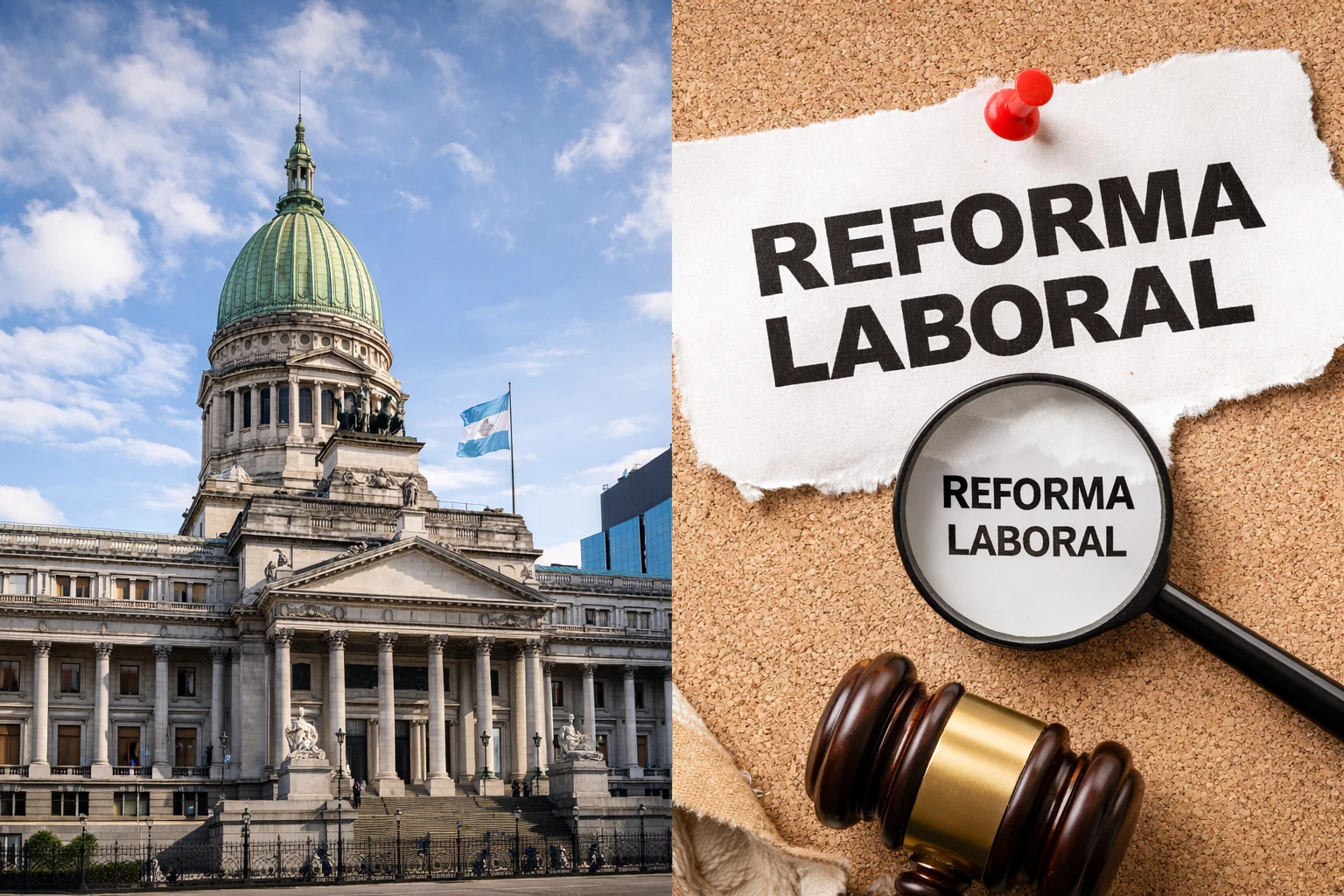
Argentina’s General Confederation of Labor (CGT) has returned to the center of political and social debate after calling for a massive demonstration outside Congress in opposition to the government’s proposed labor reform.
The decision was made during a high-level meeting of union leaders representing key sectors of the economy. While the organization stopped short of declaring a general strike, it warned that stronger measures remain an option if authorities refuse to revise the bill.
Demonstration at Congress
The protest is scheduled for next week, coinciding with the start of Senate discussions on the reform package. Union leaders say the march aims to defend workers’ rights and highlight concerns over proposed changes to employment regulations.
Organizers expect thousands of workers from transportation, manufacturing, retail, healthcare, and education to attend. A central rally will take place near the National Congress, where union officials will deliver speeches outlining their demands.
According to the CGT, several sections of the reform could weaken job security, reduce severance protections, and increase labor flexibility, raising fears among employees nationwide.
Internal Divisions and Union Pressure
Within the CGT, opinions differ on how far to escalate the conflict. Some leaders favor a gradual strategy focused on negotiation, while others are calling for a nationwide strike lasting up to 48 hours.
Transport and public service unions are among the most vocal supporters of tougher measures, given their capacity to disrupt daily life. However, the central leadership remains cautious, seeking to avoid a major confrontation without exhausting dialogue channels.
At the grassroots level, many unions have begun holding assemblies to inform members and vote on participation in future actions.
Economic and Social Impact
Although no strike has been officially announced, the mere possibility has raised concerns across the business community. A shutdown of transport networks could severely affect commuting, logistics, and tourism.
Business associations warn that a nationwide stoppage would generate significant financial losses and strain supply chains. Small and medium-sized enterprises, in particular, fear prolonged uncertainty in an already fragile economic environment.
Government officials argue that the reform is designed to modernize labor relations and stimulate job creation. They insist the administration remains open to alternative proposals but considers structural changes necessary.
What Comes Next
Following the demonstration, the CGT will assess participation levels and the government’s response before deciding on further steps. If negotiations fail, union leaders have not ruled out calling a general strike in the coming weeks.
They emphasize that the movement is not driven by political interests but by concerns over wages, job security, and living standards during a challenging economic period.
As discussions continue, labor reform is shaping up to be one of the most contentious issues in Argentina’s political and economic agenda for 2026.


Comments
💬 Log in to comment💬 Join the conversation and log in to comment.