

A renewed political debate
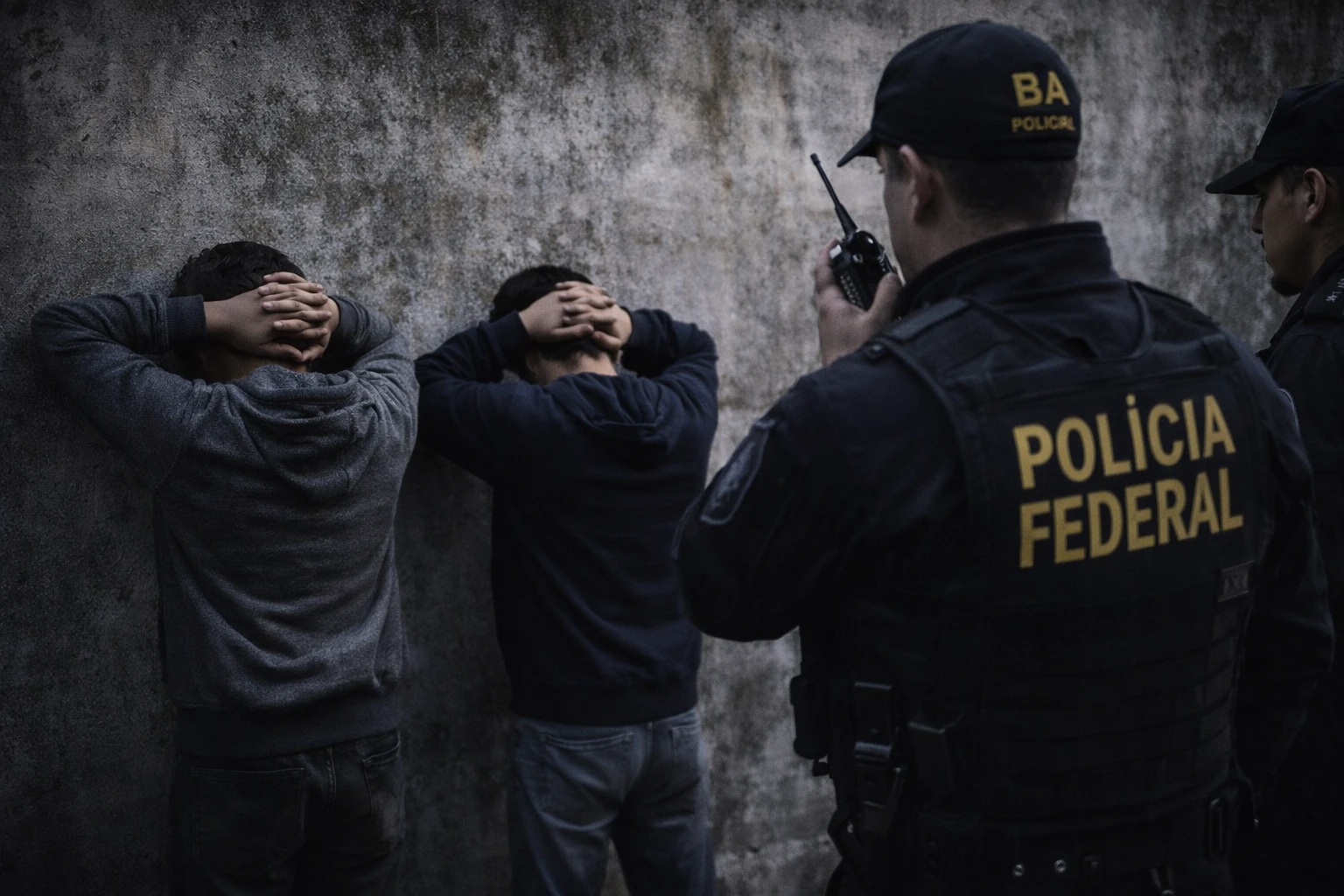
The discussion surrounding the age of criminal responsibility is once again at the forefront of Argentina’s political agenda. A bill introduced by the national government proposes lowering the minimum age at which minors can be held criminally liable, reigniting a long-standing and highly sensitive debate.
Under current law, criminal responsibility begins at age 16. The new proposal aims to reduce that threshold to 14, within a specific juvenile justice framework distinct from the adult penal system. Government officials argue that the reform is necessary to respond to serious crimes involving younger offenders.
What the bill proposes
The draft legislation introduces a comprehensive Juvenile Criminal Responsibility Regime. It sets clear limits on sentences, prioritizes non-custodial measures, and establishes that imprisonment should only be used as a last resort. When detention is applied, minors would be held in facilities separate from adults.
Education, psychological assistance and social reintegration programs are central elements of the proposal. The government insists that the reform is not about increasing punishment, but about creating a legal framework that allows the State to intervene effectively in serious cases.
The bill also acknowledges that youth crime is closely linked to social exclusion, school dropout rates and structural inequality. In its explanatory text, the government states that prevention policies must go hand in hand with judicial reform.
The government’s position
Supporters of the bill argue that the current system leaves a legal vacuum when serious crimes are committed by minors under 16. According to this view, the absence of criminal accountability undermines public trust and leaves victims without a clear sense of justice.
Officials also point out that many countries in Latin America and beyond have lower ages of criminal responsibility, often set at 14 or even younger. From this perspective, Argentina’s legislation is outdated and needs to be aligned with international practices.
Why the Church rejects the reform
The Catholic Church has been one of the strongest critics of the proposal. Church leaders argue that lowering the age of criminal responsibility fails to address the structural causes of youth violence and instead places the burden on adolescents who are already socially vulnerable.
They warn that the juvenile justice system lacks the infrastructure and resources to rehabilitate younger minors effectively. Expanding criminal liability, they say, could deepen exclusion and increase recidivism rather than reduce crime.
A social and ethical concern
According to the Church and various civil society groups, many minors involved in criminal activity come from environments marked by poverty, neglect and limited access to education. Criminalizing them at an earlier age, they argue, shifts responsibility away from the State’s failure to guarantee basic rights.
They also stress the long-term psychological and social consequences of incarceration during adolescence, emphasizing that preventive and community-based approaches have proven to be more effective in reducing youth crime.
An ongoing discussion
The bill is still under congressional review, and lawmakers are expected to engage in a heated debate. Public opinion remains divided between calls for tougher security measures and demands for a more inclusive, rights-based approach.
At its core, the discussion raises a fundamental question: how to balance public safety, justice and the protection of children’s rights in a deeply unequal society.





Comments
💬 Log in to comment💬 Join the conversation and log in to comment.