
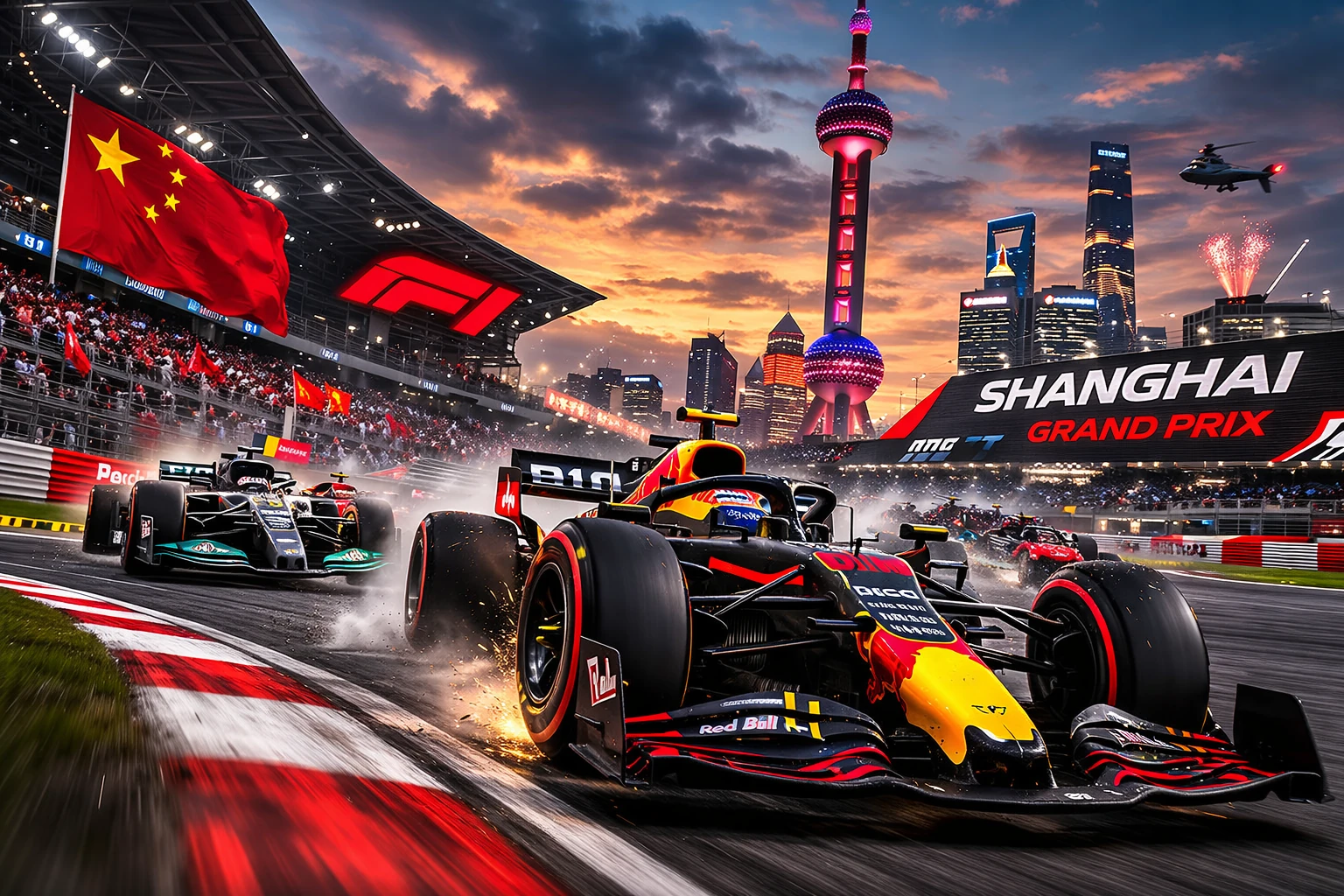
Formula 1 is back in Asia with the Chinese Grand Prix, one of the most technical and strategically demanding races on the calendar. The Shanghai International Circuit once again hosts the world’s top drivers in an event that has earned a reputation for producing unpredictable races, dramatic overtakes and tense finishes.
Each Formula 1 season attracts millions of viewers across the globe. The championship has grown into one of the biggest sporting spectacles in the world, with races broadcast in dozens of countries and a global audience that continues to expand through television, streaming services and social media.
For this edition of the Chinese Grand Prix, the usual focus on the title fight and the top teams is joined by something especially important for Argentine fans: the presence of Franco Colapinto, one of the young drivers trying to establish himself at the highest level of motorsport.
The Shanghai International Circuit
The Shanghai International Circuit is one of the most distinctive tracks in Formula 1. It first opened in 2004 and quickly became known as a circuit that tests both driver precision and engineering balance.
The track is approximately 5.4 kilometres long and combines fast sectors with technical corners that demand the perfect compromise between top speed and stability. One of its most famous features is Turn 1, a long tightening corner that forces drivers to brake with great precision if they want to avoid losing positions right from the start.
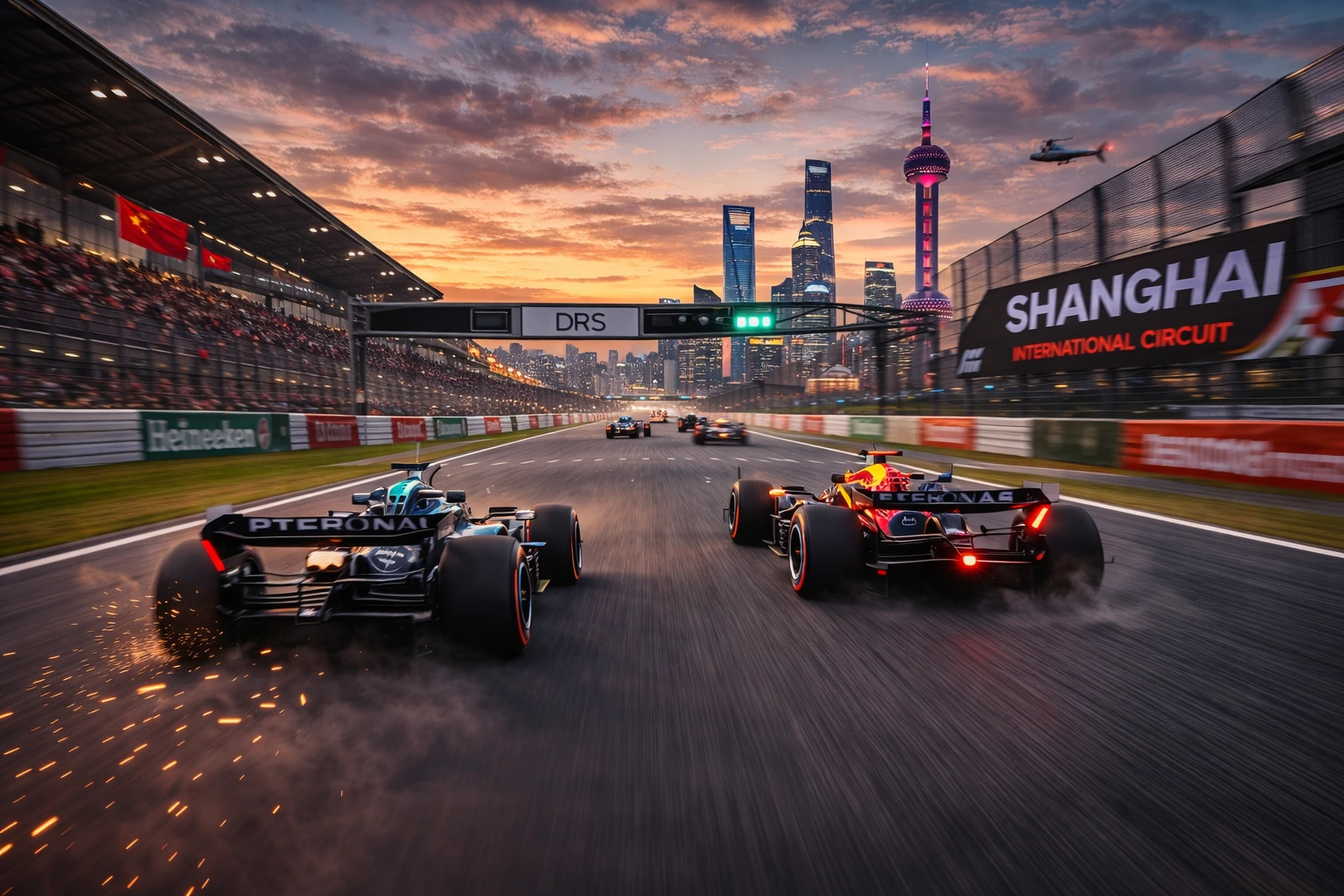
Another crucial part of the circuit is the long back straight, where the cars can comfortably exceed 330 kilometres per hour. That section is one of the best overtaking zones of the weekend, especially with the help of the DRS system.
These characteristics make the Chinese Grand Prix a race where strategy, tyre management and driver accuracy can shape the final result from start to finish.
Strategy and tyre management
In Shanghai, race strategy plays a major role. Tyre wear can be significant because of the long corners and the aerodynamic demands of the circuit.
Teams must decide carefully whether to commit to a one-stop or two-stop strategy, depending on track temperature, race pace and how the tyres behave over long stints.
A wrong call can cost valuable positions. That is why engineers spend the entire race studying live data on tyre temperatures, fuel consumption and the pace of rival teams.
On more than one occasion, the Chinese Grand Prix has been decided by strategic choices made in the closing laps.
A race that often delivers the unexpected
Historically, the Chinese Grand Prix has produced highly unpredictable races. Changing weather conditions, combined with the layout of the track, have created several memorable moments for Formula 1 fans.
In some editions, sudden rain completely transformed the race. When the circuit becomes wet, drivers must adapt instantly to reduced grip and poor visibility.
These conditions often lead to bold overtaking attempts and costly mistakes that can completely alter the finishing order.
That is one of the reasons why Shanghai is considered one of the most interesting circuits on the Formula 1 calendar.
Franco Colapinto and the Argentine spotlight
One of the biggest talking points for Argentine fans is the participation of Franco Colapinto. The Argentine driver is part of the Formula 1 grid and continues to gain experience in one of the most demanding championships in world sport.
Colapinto has become one of the most promising Latin American drivers in the series. His presence on the grid creates special interest not only in Argentina, but across the region as well.
During the Chinese Grand Prix weekend, the Argentine driver is involved in every official session of the event.
He will first take part in sprint qualifying, which sets the grid for the shorter Saturday race. He will then compete in the sprint race itself before returning for qualifying for the main Grand Prix.
The main race on Sunday will be the most important session of the weekend, giving Colapinto the chance to fight for points and continue building his place in Formula 1.
Chinese Grand Prix schedule
The Chinese Grand Prix takes place in the time zone of Shanghai, which follows China Standard Time (UTC+8). Because of the time difference, the sessions will be held overnight or in the early morning for viewers in Argentina.
Schedule in China (local time)
Friday
Free Practice: 11:30
Sprint Qualifying: 15:30
Saturday
Sprint Race: 11:00
Qualifying for the main race: 15:00
Sunday
Chinese Grand Prix (Race): 15:00
Schedule in Argentina
For Argentine fans, Formula 1 will be on during late-night and early-morning hours.
Friday
Free Practice: 00:30
Sprint Qualifying: 04:30
Saturday
Sprint Race: 00:00
Qualifying: 04:00
Sunday
Chinese Grand Prix: 04:00
Where to watch Formula 1 in Argentina
The Chinese Grand Prix will be available in Argentina through Fox Sports and also on the Star+ streaming platform, which usually carries every Formula 1 session across the weekend.
In other parts of the world, the championship is also broadcast by sports networks and services such as Sky Sports F1, DAZN and official streaming options depending on the region.
A championship that keeps growing worldwide
Formula 1 continues to expand its global reach. With races across multiple continents and an audience that keeps increasing, the championship has established itself as one of the world’s biggest sporting events.
The mix of technology, speed and competition between the best drivers in the world keeps millions of fans focused on every race weekend.
The Chinese Grand Prix is one of those rounds that usually delivers a strong spectacle. With long straights, demanding corners and multiple overtaking opportunities, Shanghai promises an intense battle from the opening lap to the chequered flag.
For Argentine supporters, the excitement is even greater because of Franco Colapinto’s presence, as he looks to make the most of every chance in one of the most competitive categories in motorsport.




Comments
💬 Log in to comment💬 Join the conversation and log in to comment.