
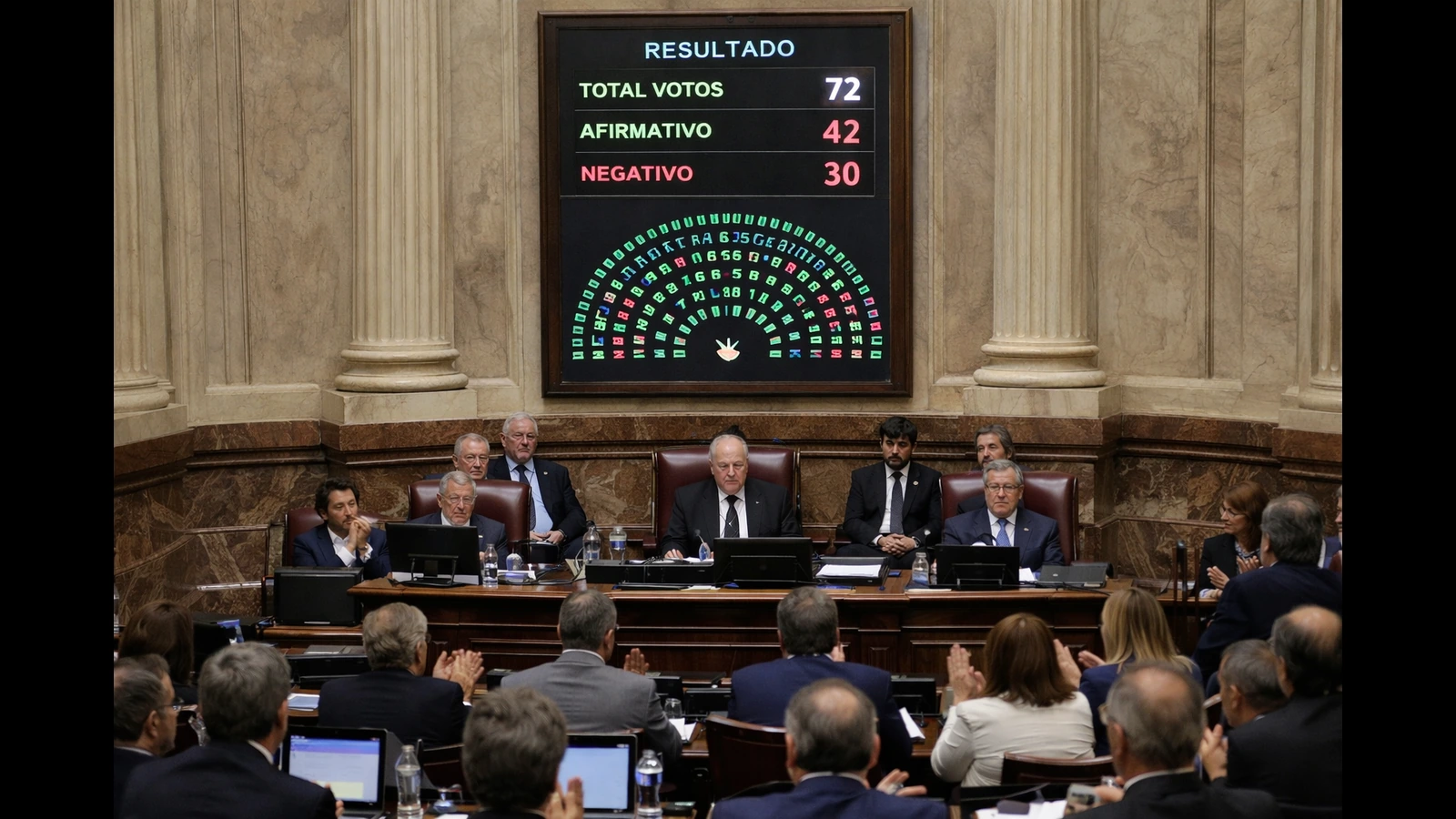
Argentina’s labor reform bill reached a decisive milestone this week after receiving approval in the Senate following a lengthy and highly polarized session. With this vote, the proposal obtained partial legislative approval and now moves to the Chamber of Deputies, where its final fate will be decided.
The government argues that the reform is essential to modernize outdated labor regulations, while unions and opposition parties warn that it weakens workers’ rights.
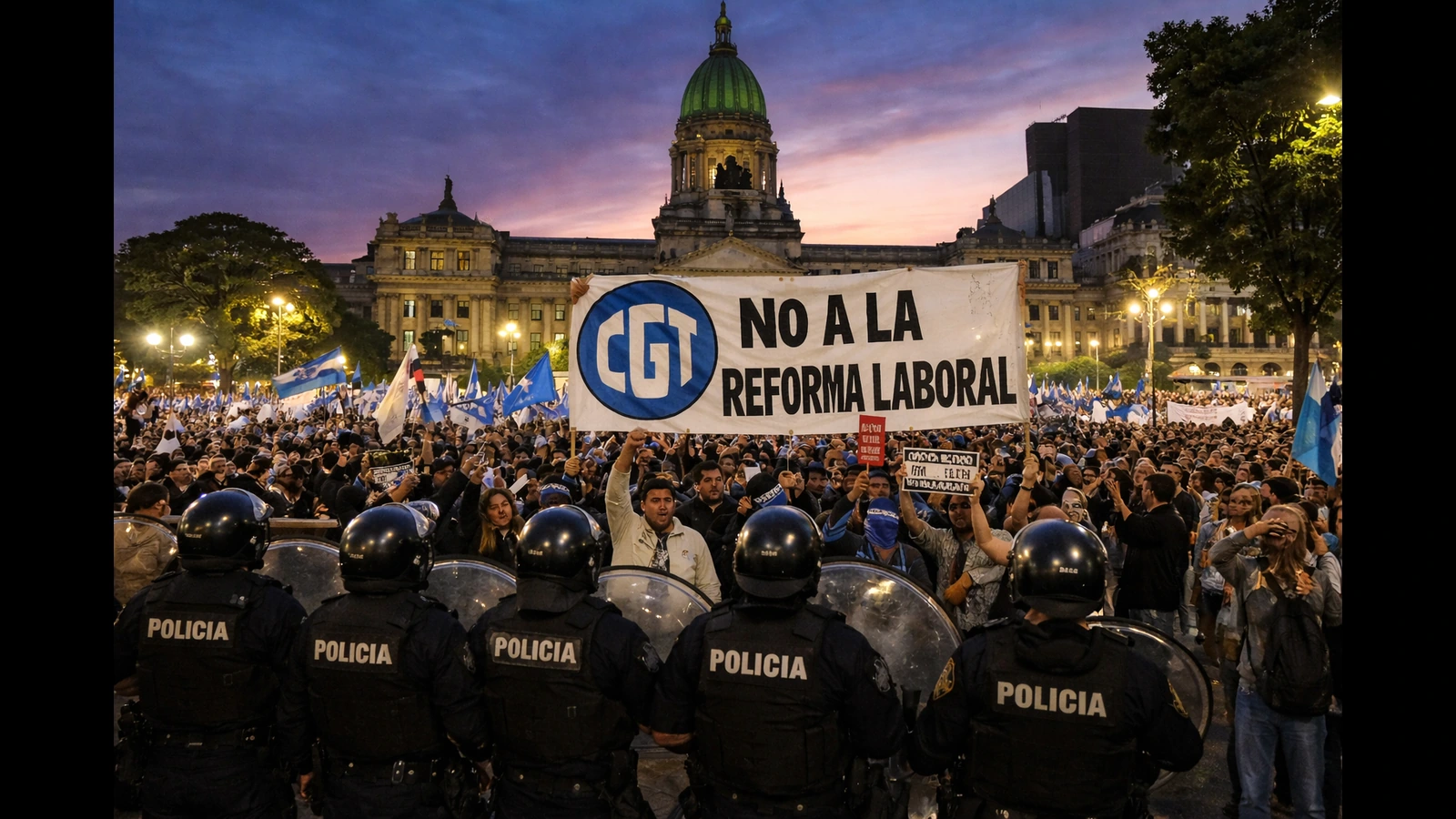
A tense vote amid nationwide protests
The Senate debate lasted several hours and ended in the early morning. The bill passed by a narrow margin after last-minute negotiations introduced minor amendments.
Outside Congress, thousands of demonstrators gathered in Buenos Aires and other major cities. Protests included roadblocks, rallies and sporadic clashes with security forces.
The atmosphere reflected the deep social divisions surrounding the reform.
Key changes proposed in the bill
The legislation introduces major structural changes to Argentina’s labor system. Among the most significant measures are:
- New limits on severance payments.
- Creation of an employer-funded labor compensation fund.
- Changes to overtime and rest regulations.
- Extended working hours in certain sectors.
- Priority of company-level agreements over industry-wide contracts.
- Stricter regulation of strikes in essential services.
- Incentives for formal employment.
According to officials, these reforms aim to reduce labor costs and encourage private investment.
The government’s position
The executive branch maintains that current labor laws reflect economic conditions from decades ago and no longer fit today’s market.
Government representatives argue that high dismissal costs discourage hiring and contribute to widespread informality. They believe the reform will help create jobs and improve competitiveness.
Officials insist that flexibility is necessary for Argentina to integrate more effectively into the global economy.
Opposition and union backlash
Trade unions, led by major labor confederations, strongly oppose the bill. They claim it undermines job security and weakens collective bargaining power.
Critics warn about:
- Reduced job stability.
- Weaker unions.
- Increased precarious employment.
- Indirect wage pressure.
- Greater vulnerability to layoffs.
Opposition lawmakers have also questioned the constitutionality of several articles.
What happens next in the Lower House
The Chamber of Deputies will now debate the bill. Lawmakers may:
- Approve it without changes.
- Introduce amendments.
- Reject it entirely.
If modified, the bill must return to the Senate. If approved, it will be sent to the president for signature.
The government is currently negotiating with moderate and regional parties to secure enough votes.
Economic and social implications
Analysts predict mixed effects. In the short term, the reform could facilitate hiring but also trigger labor disputes.
In the medium term, outcomes will depend on inflation, economic growth and investment levels. Some economists expect an increase in formal employment, while others fear declining job quality.
A debate far from over
Despite Senate approval, the legislative process is far from complete. The upcoming debate in the Lower House is expected to be equally contentious, with renewed protests and political pressure.
The labor reform has become one of the most controversial initiatives of the current administration and is likely to reshape Argentina’s labor relations for years to come.




Comments
💬 Log in to comment💬 Join the conversation and log in to comment.