

On April 17, 2026, Anthropic launched Claude Design — an experimental tool that turns a text description into an interactive prototype, a presentation, a product wireframe or marketing material, without requiring any design knowledge from the user. It's available in research preview for Claude Pro, Max, Team and Enterprise subscribers, accessible via the palette icon in the left-hand navigation panel of Claude.ai.
The tool is developed by Anthropic Labs — the company's experimentation arm — and is powered by Claude Opus 4.7, Anthropic's most capable publicly available model, launched the same day.
The market reacted fast: Figma's stock dropped around 7% in the hours following the announcement — the first concrete signal that the market interprets Claude Design as a direct threat to the professional design tools segment.
How it works
Claude Design operates on a conversational workflow. The user describes what they need in natural language — "design a prototype for a meditation app with serene typography, nature-inspired colors and a clean layout" — and the model generates an interactive first version. From there, users can refine the result in four ways:
Conversation: continue requesting changes in natural language ("add a dark mode toggle", "make the header text larger").
Inline comments: leave annotations directly on design elements, and Claude generates modifications based on those comments.
Direct edits: modify specific elements with clicks.
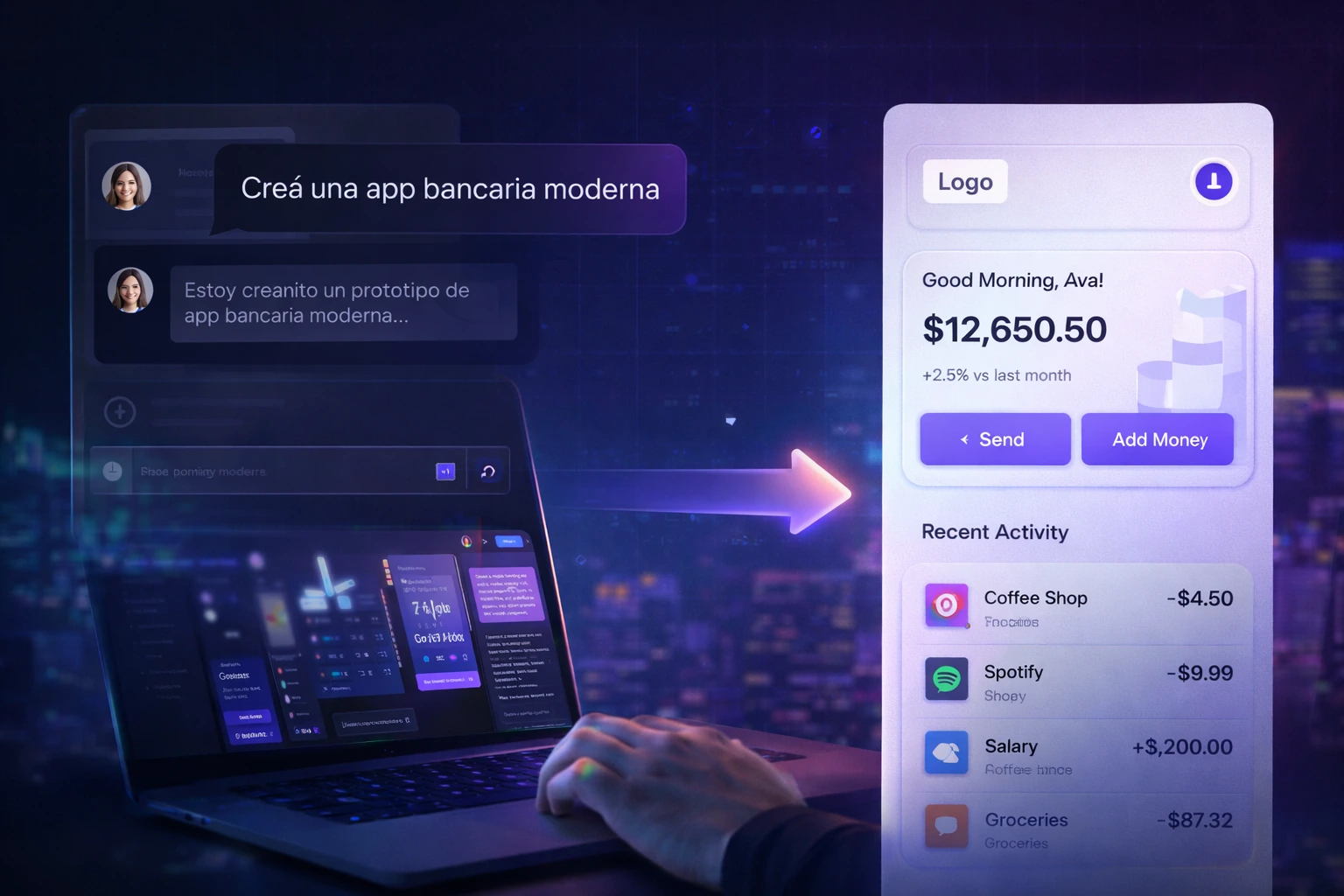
Custom sliders: Claude generates sliders to adjust parameters like contrast level, typography size or color intensity — controls the model itself creates based on the project's context.
When the design is ready, it can be exported in multiple formats: ZIP, PDF, PPTX, HTML, Canva or Claude Code. The Canva export delivers the design as a fully editable and collaborative file. The Claude Code export delivers the design with design intent included, ready for implementation.
Your own design system
One of the most useful features for teams is the ability to configure a custom design system. Claude Design can read a company's source code from GitHub repositories, Figma files uploaded by the user, folders with fonts and logos, and text notes with style guides.
Once configured, every new project automatically inherits the company's colors, typography and component patterns. This eliminates the visual consistency problem when non-designer teams produce materials: the output always looks like it belongs to the same brand.
Who it's built for
Anthropic is explicit about the positioning: Claude Design is not built for professional designers working in Figma — it's built for founders, product managers, marketers and engineers who need to get from an idea to something visual quickly, without waiting for design team slots or learning specialized software.
Main use cases: realistic prototypes for user testing, product wireframes for development handoff, design direction exploration, pitch decks and presentations, and marketing materials.
What early users say
Brilliant — the educational technology company — was one of the test cases published by Anthropic. The team reported that the most complex pages, which required more than 20 prompts to recreate in competing tools, only needed 2 prompts in Claude Design. They converted static mockups into interactive prototypes for user testing without any code reviews, and handed everything to Claude Code for production with design intent already included.
Datadog described compressing what had been a week-long cycle of briefs, mockups and review rounds into a single Claude Design conversation.
How it's billed
Claude Design usage is measured and billed separately from standard Claude chat and Claude Code limits. Subscribers have their own weekly Claude Design allowance that doesn't consume their chat or code quota.
For Enterprise users with usage-based pricing, Anthropic offers a one-time welcome credit equivalent to approximately 20 typical prompts, expiring on July 17, 2026.
The Figma situation
Anthropic publicly said Claude Design is intended to complement existing design tools, not replace them. The integration with Canva — which announced a strategic partnership with Anthropic on April 10 — reinforces that narrative.
But there are data points that complicate it. On the day of launch, Mike Krieger — Anthropic's Chief Product Officer — resigned from Figma's board. Figma had collaborated closely with Anthropic, including the February 2026 launch of "Code to Canvas," which converted code generated in Claude Code into editable designs inside Figma.
For many in the industry, the launch marks the beginning of direct competition between Anthropic and the professional design tools segment.
Current status
Claude Design is in research preview. There is no confirmed date for general availability. Anthropic announced it will make it easier to build Claude Design integrations via MCP in the coming weeks, enabling connections with other tools.





Comments
💬 Log in to comment💬 Join the conversation and log in to comment.