
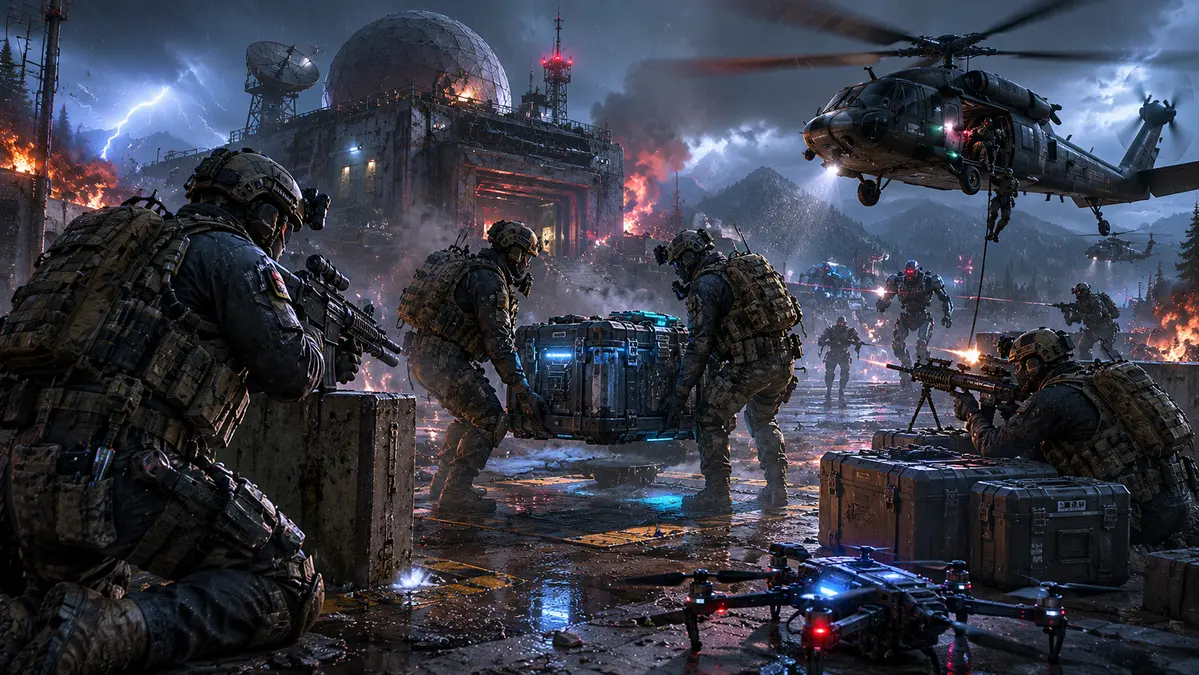
When Modern Warfare 4 was revealed, most players expected the usual focus on campaign, multiplayer and Warzone. But one of the biggest surprises was the return of DMZ, the extraction mode first introduced with Modern Warfare II in 2022.
This time, however, Infinity Ward appears to be treating DMZ very differently.
Instead of presenting it as an experimental add-on, the studio is positioning the mode as one of the central pillars of the new Call of Duty package. The message is clear: DMZ is no longer just an alternative way to play Warzone. It is being rebuilt as a full extraction shooter inside Modern Warfare 4.
From side mode to major pillar
The original DMZ gained a loyal audience because it offered something different from standard Call of Duty.
It mixed PvP combat, AI-controlled enemies, loot extraction, contracts and open-ended objectives. For many players, it was one of the most interesting ideas Activision had introduced in years.
But it also felt unfinished.
The mode had strong foundations, yet many fans believed it never received the long-term support needed to become a true competitor in the extraction genre. Infinity Ward now seems to be addressing exactly that.
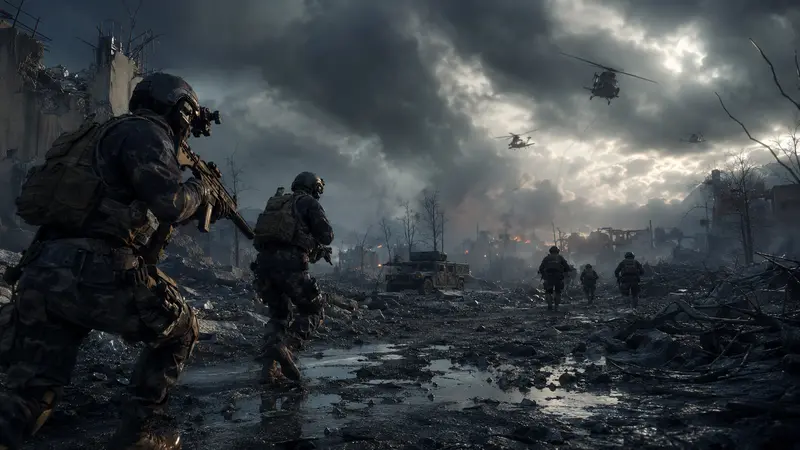
The new version has been redesigned with a much broader scope, taking lessons from games like Escape from Tarkov, Arc Raiders and Marathon.
Hajin and the new conflict zone
The new DMZ experience will take place in Hajin, a large exclusion zone set on the Korean Peninsula after the events of the campaign.
Unlike a traditional multiplayer map, Hajin is designed as a living combat space. It combines abandoned military facilities, destroyed urban areas, hostile patrols and shifting objectives across a much larger environment.
The idea is to make each deployment feel unpredictable.
One squad may enter the zone to complete story missions. Another may hunt high-value targets. Others may focus only on survival, looting and extraction. That overlap is what gives extraction shooters their tension.
More than looting and escaping
Infinity Ward is clearly trying to make DMZ more than a simple loot run.
The mode is built around three main types of play:
- Story missions.
- Dynamic operations.
- Free exploration.
That structure allows players to choose how much risk they want to take. A cautious squad can focus on objectives and leave early. A more aggressive team can stay longer, chase better rewards and accept more danger.
This is where DMZ could separate itself from Warzone.
It is not only about being the last team alive. It is about deciding when to push forward and when to get out before everything collapses.
Persistent progression changes the stakes
One of the biggest upgrades is persistent progression.
Operators will have their own development path, upgrades and long-term systems tied to the mode. Players will also manage resources, equipment and preparation between deployments.
That matters because extraction shooters are built around consequence.
If every match resets completely, the tension disappears. If equipment, progress and decisions carry over, each deployment becomes more meaningful.
DMZ seems designed around that second idea.
Dynamic weather and evolving threats
The new version of DMZ will also include systems that change conditions inside the map.
Infinity Ward is adding elements such as:
- storms
- shifting weather
- unexpected events
- changing enemy patrols
- emerging objectives
The goal is to prevent the mode from becoming repetitive.
A route that feels safe in one match may become dangerous in the next. A simple extraction may turn into a full fight if another squad arrives at the same location.
That uncertainty is essential for the genre.
Reputation and player hunting
Another major addition is a reputation and bounty-style system.
Players who behave aggressively or eliminate too many operators may become priority targets. Other squads can then receive incentives to hunt them down.
This creates a more organic PvP structure.
Instead of forcing every fight, the game lets player behavior shape the match. The more dangerous a squad becomes, the more attention it may attract.
That kind of system could make DMZ feel less scripted and more alive.
Why DMZ fits Modern Warfare 4’s new direction
The return of DMZ also fits with Infinity Ward’s broader creative shift.
Modern Warfare 4 is being positioned as a more grounded military experience, with fewer bizarre cosmetics and a stronger focus on tactical identity.
DMZ naturally supports that tone.
Extraction gameplay works best when players feel vulnerable, when planning matters and when every fight can cost something. That is very different from the faster, more chaotic rhythm of standard multiplayer.
Call of Duty’s answer to Escape from Tarkov
For years, Escape from Tarkov has dominated the hardcore extraction shooter space. More recently, games like Arc Raiders and Marathon have shown that the genre is becoming one of the biggest battlegrounds in multiplayer gaming.
Call of Duty has one major advantage: accessibility.
Its gunplay is familiar, its movement is polished, and its player base is enormous. If Infinity Ward can combine that with deeper progression and meaningful risk, DMZ could become the most mainstream extraction shooter on the market.
Release date and platforms
DMZ is expected to arrive with Modern Warfare 4 on October 23, 2026.
The game is planned for:
- PC
- PlayStation 5
- Xbox Series X|S
- Nintendo Switch 2
Unlike the original beta-style version, this new DMZ is being presented as part of the core Modern Warfare 4 experience.
Conclusion
The return of DMZ may end up being one of the most important parts of Modern Warfare 4.
What started as an experimental mode in 2022 is now being rebuilt as a much larger extraction experience, with persistent progression, a new conflict zone, dynamic missions and stronger tactical identity.
If Infinity Ward gets it right, DMZ could become more than another Call of Duty mode. It could become the franchise’s strongest answer to Escape from Tarkov.


Comments
💬 Log in to comment💬 Join the conversation and log in to comment.